Commercial Waste in Bromley for regular business collections and one-off clearances

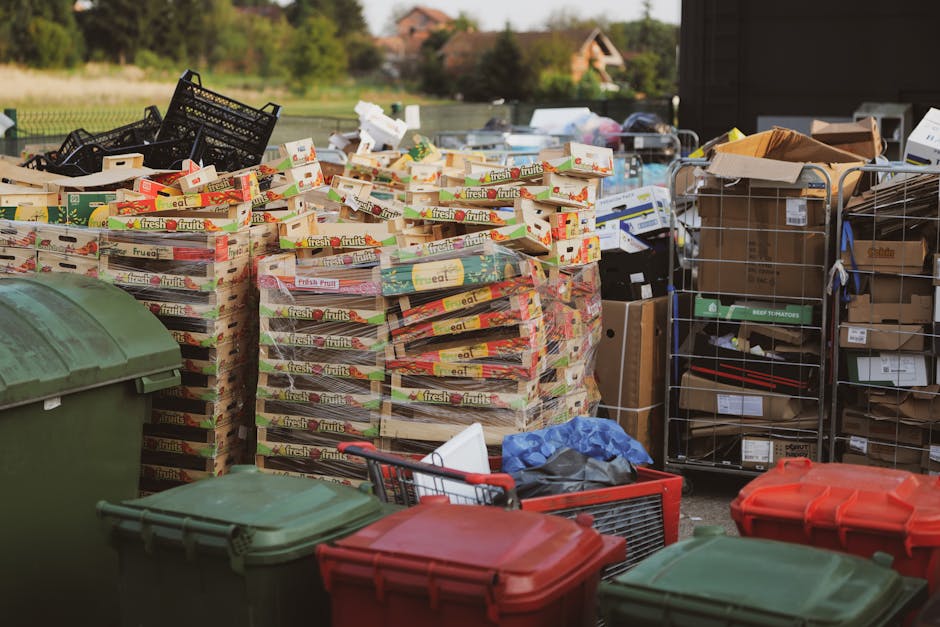
Commercial waste in Bromley needs a practical, orderly service that suits shops, offices, workshops and other business premises. We handle mixed non-hazardous waste streams with an emphasis on sorting, loading and responsible removal, so day-to-day operations can continue with less disruption. The aim is straightforward: collect waste from your site, separate reusable or recyclable material where appropriate, and move it on without turning the process into a drawn-out project.
Businesses often want a clear collection plan rather than an overcomplicated arrangement. That is why we focus on the kind of waste you have, the access at the property and the volume that needs taking away. If you are comparing options, you can request a quotation once you know the main items, the likely frequency and the space available for loading. For broader service details, see our business waste removal page.
Our approach suits operations that generate cardboard, packaging, office clutter, general mixed waste and other everyday commercial arisings. Where items are bulky or awkward, the collection can still be planned around safe lifting and sensible staging. If you need a starting point, it helps to note what needs removing, how it is stored and whether there are any access limits. You can also review pricing and quotes before sending an enquiry.
Regular collections for shops, offices and work premises
Regular commercial waste collections are useful when a business produces a steady amount of refuse that should not be left to build up. We can handle recurring clear-outs of mixed non-hazardous waste, packaging and general discarded items, keeping the process simple enough for premises that already have a busy schedule. The work is most effective when the waste type is consistent, but it can also be planned for variable loads if your output changes from week to week.
For premises with routine output, the key decisions are usually what is being collected, how often it appears and whether it is stored inside or outside. Those details help shape the collection method and avoid unnecessary handling on site. If your enquiry involves office furniture, storage items or old fixtures alongside general waste, the service can be matched to the relevant material type rather than treated as a one-size-fits-all removal. In that case, our office clearance page gives a clearer view of the sort of work that can be included.
Reliable waste handling is also about separating the tasks that belong together. Cardboard, paper, plastics, shelving and mixed rubbish do not always need the same approach, even when they leave the same building. A careful collection plan reduces extra lifting and helps keep the premises usable while work is carried out. If your site includes stored items in a basement, back room or upper floor, it is worth planning access before the day of collection.
Bulky items, dismantling and workplace clear-outs

Some commercial waste jobs are mainly about bulky items rather than everyday refuse. Old counters, broken storage units, worn seating and redundant fittings can take more effort to move than bags of mixed waste. We handle that kind of work by arranging collection around the items themselves, making sure the removal is workable for the layout of the premises. The result is a service that is better suited to bulky disposal than a standard bin-emptying arrangement.
If furniture, shelving or shop fittings need to go, a business will usually benefit from a careful sweep of what is staying and what is leaving. That is especially true when items are spread across several rooms, stock areas or upper levels. For businesses that need a more focused furniture solution, see our furniture clearance page. Where the items are specifically related to office settings, flat clearance is not the right route; the more relevant option is office or business-based removal.
Typical bulky items can include desks, task chairs, cabinets, shelving, reception furniture, filing units and mixed break-room fixtures. The work may also involve the careful separation of reusable pieces from material that is only fit for disposal. Handled well, bulky waste removal can reduce the time spent moving items through the premises and help avoid damage to walls, floors and doorways. Where appropriate, dismantling can make lifting safer and the loading more efficient.
Hazard awareness and controlled disposal choices

Not every item in a business clearance belongs in the same load. Some materials need particular handling because of their contents, condition or disposal route. Where a commercial site has items such as chemicals, residues or other controlled materials, the waste needs to be identified carefully before anything is moved. This keeps the service practical and avoids placing unsuitable items into the wrong collection stream. For material that needs a more specialised route, see our hazardous waste disposal page.
In many cases, the safest approach is to separate clearly ordinary refuse from items that need special attention. That might involve checking labels, isolating containers, or removing anything that could contaminate a mixed load. A sensible plan also helps if there are appliances, sharps, batteries or other items with particular restrictions. For those looking to deal with electrical items alongside other waste, our fridge and appliance removal page may be relevant.
The main point is to keep the collection lawful, manageable and proportionate to the site. Commercial waste services should not rely on assumptions about what can be thrown together. Instead, each load should be considered on its own merits, especially where there may be a question about contamination or special treatment. If you are unsure what you have, it is better to describe the items plainly than to overstate or understate what needs taking away.
How we approach sorting, loading and routeing waste away
Collection work is usually easier when the waste is prepared in a simple, visible way. That does not mean the business needs to do the heavy lifting itself, but it does help if bags, boxes and bulky pieces are grouped sensibly and access routes are kept clear. From there, loading can be managed more efficiently and items can be separated as needed before removal. In some settings, this also reduces the risk of missed material or repeated handling.
There are a few practical points that often shape a quotation. These include the type of waste, the approximate volume, whether the load is mainly light or heavy, and how easy it is to get items out of the building. If you are planning a commercial clearance and want a second page for comparison, our waste removal page provides a broader overview of the service category. For a more formal service arrangement, the business may also find the book online page useful as a route into arranging collection.
Useful information to have ready can include:
- the main waste types involved
- whether the items are loose, bagged or stacked
- the floor level and access points
- any lifting limits, security checks or time restrictions
- whether the waste is a one-off load or part of a recurring pattern
Business waste clearance for mixed premises and storage areas

Commercial premises often generate waste in several places at once. Stockrooms, office corners, reception spaces, back corridors and loading bays can all hold different kinds of material that need clearing. A business waste clearance is useful when those items are no longer serving a purpose but still need to be removed carefully. The process can combine small bags of refuse with larger objects, provided the waste is identified sensibly before collection begins.
In mixed premises, the aim is to keep the service flexible without losing control of what is being taken. For example, one part of the site may hold cardboard and packaging, another may contain broken chairs or filing units, and a separate area may have general rubbish or unused stock. If your focus is a workplace rather than domestic waste, the home clearance and house clearance pages are not the best fit; commercial waste removal is more suitable for business settings. That said, garage clearance can be useful where storage is the main issue and the space is being emptied for business use.
Careful clearance is often about sequence: what should come out first, what can be stacked safely, and what needs separating before loading. It can also involve making sure that reusable office items are not mixed with general waste in a way that makes sorting harder later. If there are old displays, trade equipment or redundant fixtures, it is better to describe them accurately so the right collection method can be chosen from the start.
Pricing factors and sensible quotation requests
Commercial waste quotes are usually shaped by practical variables rather than a single flat idea of the job. The main influences are load size, waste type, access, labour required and whether the collection is straightforward or involves more sorting. A mixed load from a ground-floor store room is different from a bulky clear-out on an upper floor with narrow stairs. Because of that, a helpful enquiry should state the main materials and the layout as plainly as possible.
It is also useful to know whether the waste is ready for collection or still needs gathering together. If items are scattered across multiple areas, that can affect the time needed on site. If you want to compare service pages before sending details, the builders waste clearance page may help for heavy trade debris, while furniture disposal is more relevant where the main issue is outdated fixtures or seating. That distinction keeps the quote request aligned with the actual work.
For a smoother enquiry, avoid vague descriptions such as “some rubbish” or “a few things” if the load is more substantial than that. A short, accurate note about the material, the amount and the access will be more useful than a long explanation. If you are planning a regular arrangement, mention that as well, because a recurring collection may need a different structure from a one-off clearance.
About Bromley
Bromley is a large town in the south-east of London and the principal town of the London Borough of Bromley. It developed from a historic market settlement and later expanded significantly with suburban growth and transport links into the capital. The town centre is shaped by a mix of retail streets, civic buildings and modern developments, while the wider borough includes a varied landscape of older villages, suburban neighbourhoods, green space and routeways connecting to other parts of London and Kent. Bromley’s history is tied to ecclesiastical and market activity, but its present-day character is equally defined by shopping, services, education and commuting patterns. The area contains a range of notable buildings and public places, including Bromley Palace, the Church House Gardens, and a town-centre pattern that reflects both older and newer phases of development. Nearby open spaces and parks contribute to a greener feel than many inner urban districts, and transport corridors have long supported its role as a local centre. Cultural life in Bromley includes theatre, leisure and community venues, with a centre that draws visitors from surrounding districts as well as local residents. This combination of civic function, residential growth and commercial activity makes Bromley a varied urban district rather than a single-purpose town, and its built environment still shows traces of the different stages through which it has grown.
Office areas, shop floors and premises that need a tidy reset
When commercial waste builds up around desks, counters or storage spaces, the aim is often to clear the area without interrupting essential work. That can mean removing broken furniture, packaging, obsolete files, duplicate equipment or miscellaneous items that have accumulated over time. A tidy reset is not just about making the area look clearer; it also helps staff move around more easily and makes remaining assets easier to organise.
For businesses with an emphasis on records or confidential material, some waste may need a separate handling decision before it leaves the site. If the main concern is secure destruction rather than general waste, our confidential shredding page is the better match. Where the issue is an office or commercial floor that has become overfilled, the better approach is to clear the unneeded material systematically, then leave any working equipment in place. That is often a more efficient route than treating everything as mixed rubbish.
Commercial premises also benefit from a simple order of operations. First, identify what stays. Then group what leaves by type and size. After that, load in a way that supports safe handling and avoids unnecessary back-and-forth through the building. This kind of methodical clearing is especially useful when the property continues trading while the work is being done, because it helps preserve access to the areas that still need to function.
Where our service fits alongside recycling and responsible disposal

Many businesses now want more than simple disposal; they want a service that can distinguish between reusable, recyclable and non-recoverable material where that is practical. That does not mean every item will be diverted in the same way, but it does mean the collection process should not ignore the possible value of the load. Cardboard, paper, metals and selected fixtures may all be handled differently from ordinary mixed rubbish if the material condition allows it.
Responsibility also matters when the load contains different product types from one premises. A back-office clearance might include paperwork, shelving and electronics; a shop clearance might include packaging, damaged display items and old stock fixtures. Where sustainability is a priority, our recycling and sustainability page gives a clearer picture of the broader approach, while the main waste collection still concentrates on taking the material away in a controlled way. The key is to keep the route practical without pretending that every item can be treated identically.
If you are ready to take the next step, please request a quotation with the type of waste, the amount and the collection access. You can also use the contact route that suits you best and mention whether the work is a one-off or part of an ongoing arrangement. For businesses planning to compare options first, the final point of reference is our contact us page, which is the best place to begin a proper enquiry.